FABRICATION
CONCEPTUAL FABRICATION
Concept Development And Fabrication For Full Scale Structural Prototypes.
METHODOLOGY
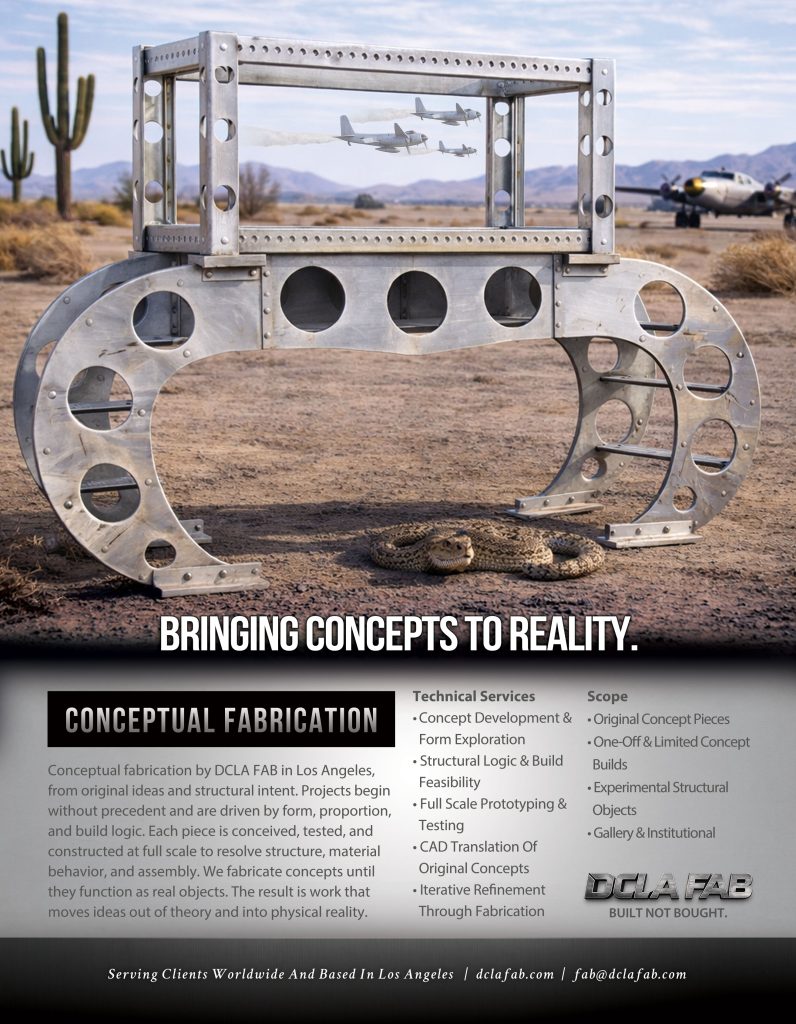
Conceptual fabrication translates original ideas into full-scale structural prototypes and engineered assemblies. Every project begins with defined scope, site constraints where applicable, performance criteria, and material parameters. CAD development converts concept into buildable geometry. Structural logic, connection strategy, load paths, and fabrication sequencing are resolved before production.
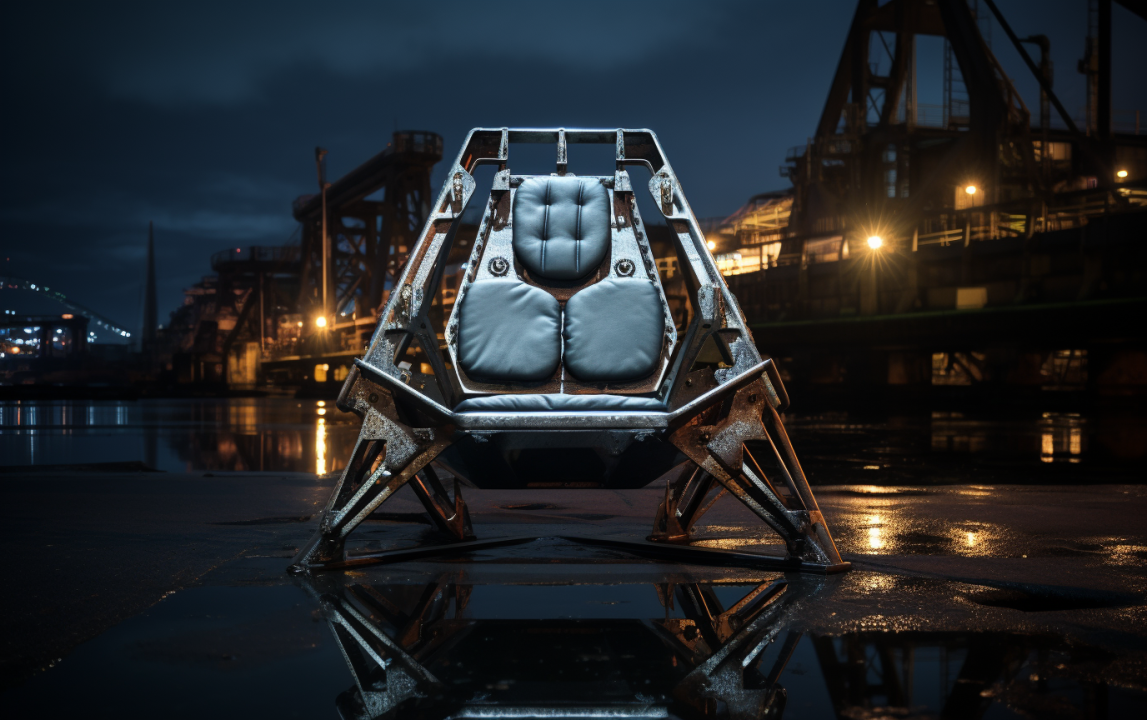
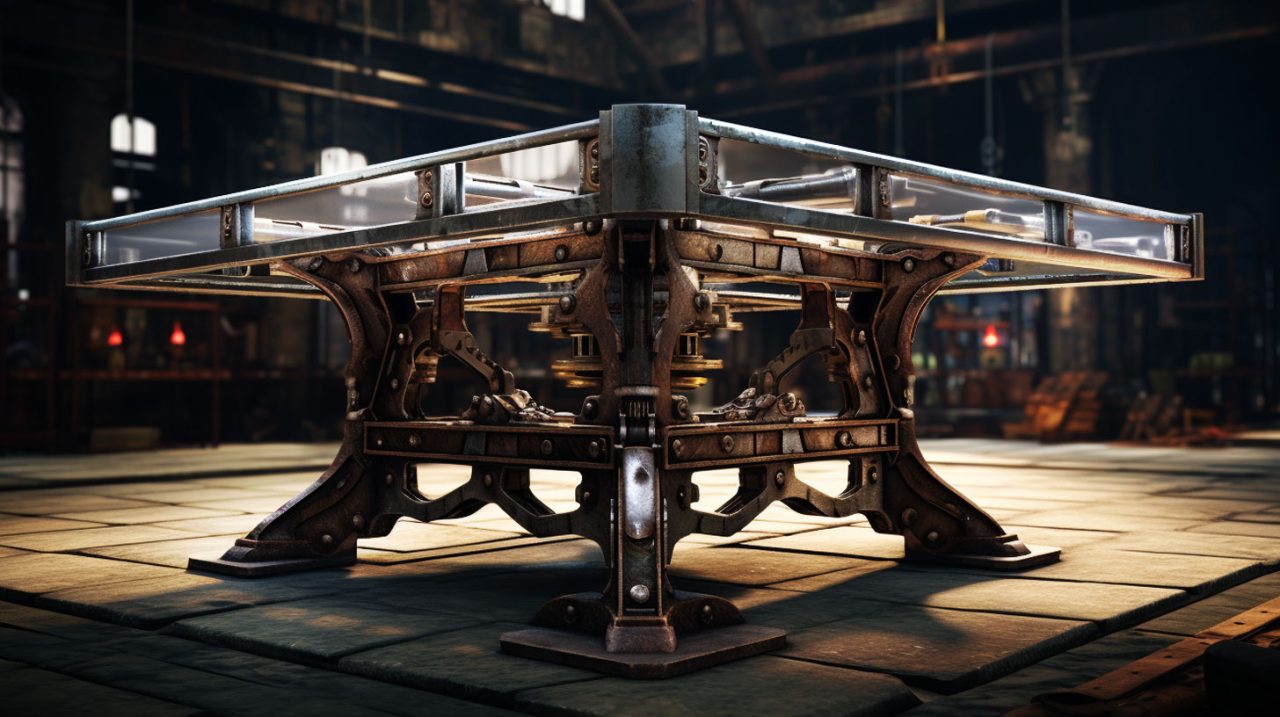
Prototypes and mockups are used to test proportion, structural behavior, material interaction, and assembly method. Fabrication follows documented stages with tolerance control and material verification throughout. The outcome is a fully realized object or system built to validate concept, structure, and performance at real scale.
To guarantee complete physical fidelity, execution protocols are mapped directly against an ISO-aligned quality framework. Precision metrology, raw material traceability, and continuous verification loops ensure that every developmental build transitions seamlessly from conceptual telemetry into certified, field-ready infrastructure.
PROCESS CONTROL
Each project operates under a documented scope, design controls, and fabrication checkpoints. Site conditions, dimensional constraints, and integration requirements are verified early. Engineering review occurs prior to fabrication release to guarantee total design fidelity.
Drawings, structural evaluation where required, and prototype testing reduce risk before final build. Fabrication steps are sequenced with inspection points for tolerances, finishes, and assembly accuracy. Installation or placement requirements are resolved before delivery. The result is a concept build executed with structural clarity, dimensional accuracy, and documented performance.
Advanced quality management protocols govern every phase from raw structural intake to final component assembly. By routing initial concept configurations through rigorous ISO-aligned data architecture verification and coordinate metrology, the final structure eliminates field deviation and satisfies precise structural tolerances.